
Cabarrus County Court Docket Searches
Cabarrus County dockets live on the North Carolina eCourts Portal, not on a county-built database. Smart Search on that portal runs statewide. Anyone can pull publicly available Case Summaries without an account. A case number gives the cleanest entry point. If you must search by name, confirm the Cabarrus court location and case type on each result before trusting it, since identical names pile up across North Carolina.
The public display is a Case Summary, sometimes called a Register of Actions. Treat it as an index and an event history. It is not the official court record. After finding a result, open Hearings for a current setting. Turn to the Cabarrus County Clerk of Superior Court for a paper copy, a certification, or any file that does not appear online.
Anonymous Smart Search shows only publicly available information. A name match alone proves little. Compare the case type, court location, party role, and event trail first. That decides whether a result is the right case. When results run broad, the location, case status, filing-date, and case-type filters cut out unrelated statewide matches, so nobody has to guess at undocumented Cabarrus codes.
- Open the eCourts Portal and choose Smart Search.
- Enter the case number from a court paper, or use the documented name search and filters.
- Confirm Cabarrus as the court location and check the case assignment.
- Read Case Events, Dispositions, and the separate Hearings area.
- Use the clerk counter or a request for an official copy when the public summary is not enough.
Cabarrus eCourts Docket Access
Cabarrus joined eCourts on October 14, 2024. The statewide system gathers District Court and Superior Court activity into one public search environment. Each case still shows its own court assignment. Smart Search, Hearings search, judgment search, and eligible payments are separate portal functions. North Carolina eFile / File & Serve is the filing system. It is not the public case-search tool.
North Carolina eCourts information documents the modernization effort behind the Portal. The Cabarrus court location page adds local eCourts detail. Because the design is statewide, narrow any Cabarrus County court docket search by location. A separate municipal or county vendor site does not exist.
The statewide eCourts overview lays out that larger rollout. It shows where Cabarrus's public Case Summary search fits. The fit is within the court system as a whole.
Online is fast; the clerk keeps the official file.
Court Dockets: What They Show
A Cabarrus Case Summary sorts public information into sections. It avoids one long undifferentiated list. Start with case information and assignment information to confirm the result belongs to the right court. Party information and a civil cause of action may appear where public access allows. Case Events give the chronology. Hearings holds the date-sensitive setting information.
| Case Information | Identifies the case number, type, location, and status context. |
|---|---|
| Assignment | Helps distinguish Cabarrus District Court from Superior Court work. |
| Case Events | Shows a public procedural history, not a promise of a future hearing. |
| Hearings | Lists publicly available case-specific date, time, location, and setting details. |
| Dispositions | Shows recorded outcome or status information; later entries may still follow. |
| Financials | May appear when applicable and does not mean every obligation is payable online. |
North Carolina builds an eCourts number from a year, case-type letters, a six-digit sequence, and a county identifier. Use the number on the notice. Never invent a Cabarrus suffix.
Cabarrus Case Summary Terms
Read portal labels literally. An event records what happened at one point in the case. A hearing is where to check a current setting. A disposition notes an outcome or status. It does not erase later financial, appeal, or compliance events. This distinction keeps an old event line from being mistaken for a live court date.
Some historical events show a midnight time. That comes from a system conversion. The timestamp is a technical quirk. Do not go to court at midnight because of it. Use the date with the current Hearings information, then verify any urgent or conflicting setting with the Cabarrus Clerk.
- Case Summary
- The Portal's public-facing summary, also called a Register of Actions in official training.
- Case Events
- The chronological public history of procedural activity.
- Hearing
- A scheduled court event shown separately when publicly available.
- Disposition
- The recorded result or status, which should be read with later entries.
Cabarrus County Courts and Their Dockets
Cabarrus County sits in Judicial District 25. That district is part of North Carolina's unified General Court of Justice. District Court handles misdemeanors, traffic, domestic matters, and small claims. Many civil matters sit there too. Superior Court takes felonies, civil actions not assigned to District Court, and District Court appeals. Magistrates work in the District Court division.
| Court | Docket covers | Where to search |
|---|---|---|
| Cabarrus District Court | Traffic, misdemeanors, domestic, and assigned civil matters | eCourts Portal, then Cabarrus Clerk |
| Cabarrus Superior Court | Felonies, major civil matters, and District Court appeals | eCourts Portal, then Cabarrus Clerk |
| Cabarrus magistrates | Small claims, summary ejectment, warrants, and statutory magistrate matters | eCourts Portal and clerk or magistrate contact |
North Carolina's court-officials overview explains each court and clerk role. Court assignment changes the case path. It does not change the public search system.
The court-officials reference maps Cabarrus court docket records onto the statewide court hierarchy.
The Cabarrus Clerk connects the divisions through one county records office.
Cabarrus Kiosk Docket Route
The web Portal is not the only route in. Cabarrus received eCourts kiosks in 2025. Those terminals offer scanning, printing, and payment services. Try a courthouse kiosk when web access is unavailable or the online view cannot answer a records question. A kiosk is not a separate docket system. It does not override confidentiality rules either.
The sensible local order runs Portal, then courthouse terminal or kiosk, then the clerk counter, then a plain or certified copy request. Start with the Cabarrus county court hub, the official local source for services and links.
The Cabarrus court-services hub also serves as a standing route to current local court information.
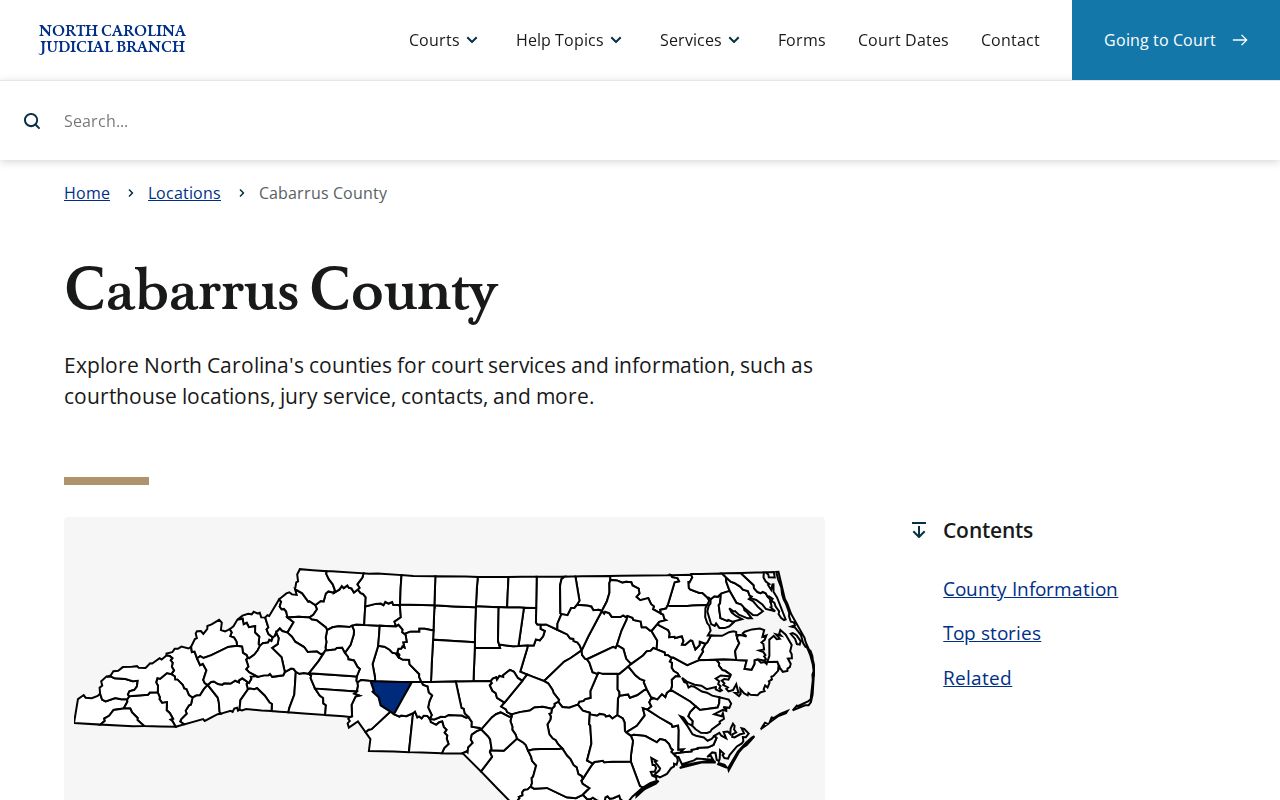
Ask the clerk counter about the proper public-access path.
Court Dates and Settings in Cabarrus County
For a specific Cabarrus case, open the Case Summary's Hearings section or run Search Hearings. That tool accepts a case number, party or business name, attorney, attorney bar number, judicial officer, or courtroom. A posted schedule gives session context. The case-level hearing entry is the better date check.
Read the citation, summons, or notice first. Match it against Hearings. Call the clerk if a setting is close, unclear, recently changed, or restricted. Full details sit on the Cabarrus County Court Schedule.
Cabarrus Court Date Checks
A posted calendar can go stale. A continuance moves a hearing after that calendar appeared. Treat any list as provisional until the hearing day nears. In the Portal, Case Events shows the history of a Cabarrus County court docket entry, while Hearings covers the current public setting alone. Local administrative schedules still help with published Superior Court civil sessions, but an empty category proves nothing about whether court will sit.
Criminal administrative material for Cabarrus sorts itself into labels such as administrative calendar, probation, pretrial, trial, and plea. Those are categories of court activity, not a promise that any case follows a fixed order. When a hearing is close, a quick confirmation from the clerk is the careful last step.
Civil cases work differently. The local rules and forms index lays out a calendar request and notice process. That process governs Superior Court motion settings. Filing a motion, though, never guarantees a hearing date. The case-level Hearings record, the posted local material, and a clerk or court contact each answer one piece of that question.
Docket Access Under North Carolina Law
Access rules: Cabarrus court files sit under court-specific access rules. The starting statute is G.S. 7A-109. It keeps clerk records, files, dockets, and indexes open for inspection during regular business hours. Access stays open unless law restricts it. That rule backs public docket access without making every court document an unrestricted online record.
Key rules.
G.S. 7A-109: clerk files, dockets, and indexes are generally open during regular business hours, subject to restrictions.
G.S. 132-1: gives general public-record background but does not remove court-specific limits.
G.S. 15A-151: expunged criminal records are confidential.
G.S. 7B-3000: juvenile clerk records are withheld except as law permits.
Cabarrus Court-Record Limits
A missing search result proves nothing. The Portal can omit material from a Cabarrus court docket search. Sealed or expunged material drops out. So do juvenile, warrant-related, confidential, and not-yet-processed items. A free account lets you save cases in My Cases. Registration expands nothing about public access. Trying different search terms or paying a service is no way around a restriction.
Remember what the Portal is: an access channel, not the official record. Ask the clerk of court. Ask whether inspection or a copy route exists for a particular file. The clerk can explain the process and its limits. A statute or court order may still control what can be viewed.
The courthouse itself has practical limits. Security screening greets every visitor. A local electronic-device order can bar phones, computers, cameras, and similar devices without authorization. If you need a device for a court-related reason, confirm the current procedure before you go. Do not assume it will pass screening.
How the Clerk Keeps Docket Records
One office holds the authoritative record. The Cabarrus County Clerk of Superior Court keeps the county's General Court of Justice files. It also maintains the dockets and indexes. For an official copy or a certification, that office is the practical source. Questions about a restricted record go there too. It can also confirm whether a Portal entry matches the actual court file. A Case Summary helps you locate a matter. The clerk keeps the record that counts.
Cabarrus County Clerk of Superior Court
Cabarrus County Courthouse
61 Union Street South
Concord, NC 28025
704-262-5500
Monday through Friday, 8:00 a.m. to 5:00 p.m.
The official courthouse page identifies the primary building where Cabarrus docket and clerk services operate.
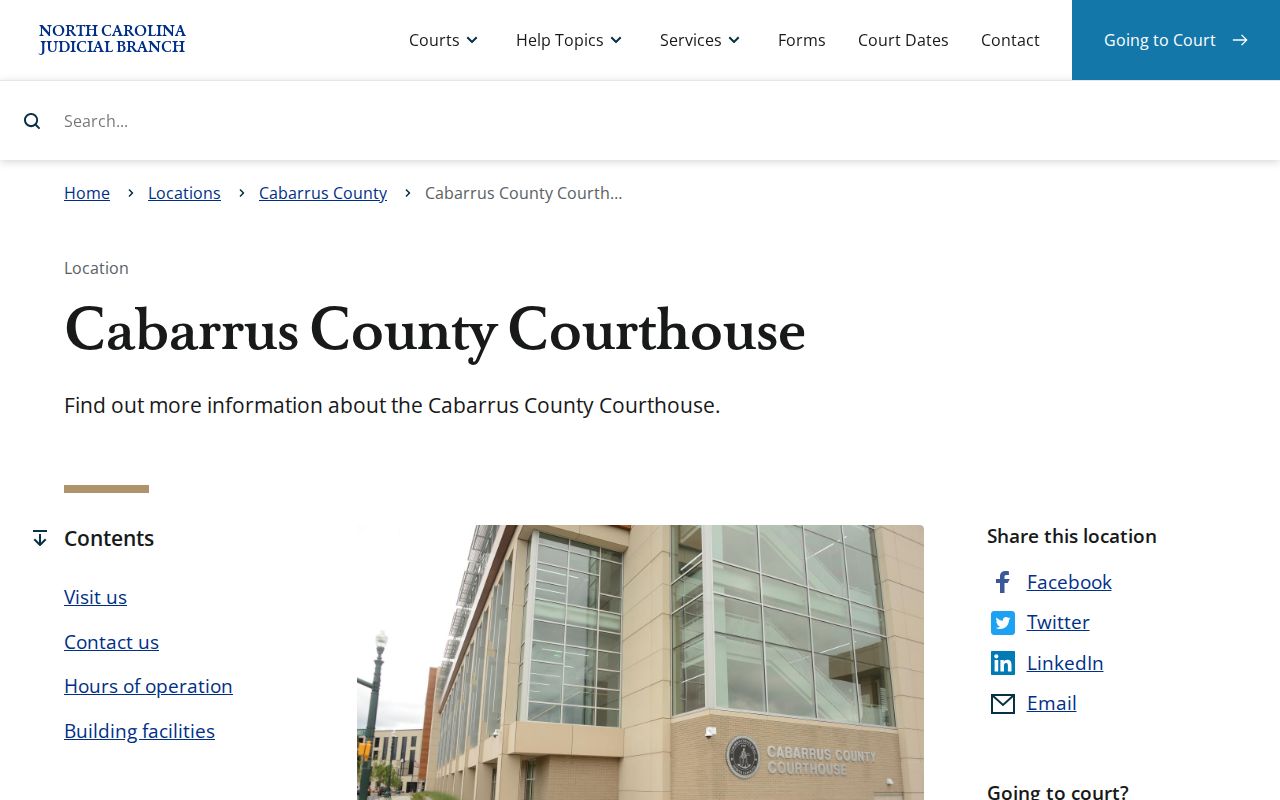
Note the traffic wrinkle. The traffic information page lists a separate Union Street routing address, so a same-day traffic question merits a call before you travel.
Cabarrus Docket-Access Timeline
Cabarrus search tools changed recently. Dates matter here. Cabarrus joined eCourts in October 2024. Digital kiosk services arrived at the courthouse in June 2025. Historic events carried into eCourts can display a 12:00 a.m. time. That is a conversion artifact, not a hearing set at midnight.
Updated Superior Court civil local rules and calendar-request material took effect in January 2026. The practical lesson is simple. Rely on the current Case Summary and official local material. Do not assume an old filing date, calendar copy, or converted timestamp controls a live Cabarrus County court docket.
The transition did not turn every old or restricted file into a public online image. It widened access to a common Case Summary environment. The Cabarrus Clerk remains in charge of official copies and court-file confirmation. That distinction matters most for older, recently filed, or access-limited records.
City-by-City Court Dockets in Cabarrus County
Cabarrus County has six incorporated municipalities. The five largest by 2020 Census population are Concord, Kannapolis, Harrisburg, Midland, and Locust. None of them runs a separately identified municipal court portal. Their state-law court cases flow through Cabarrus court channels. Kannapolis adds one wrinkle. The city crosses into Rowan County. A county check is part of any docket search there.
Concord Court Records
105,240 residents in the 2020 Census. County-seat cases use Cabarrus state-court channels.
Kannapolis Court Records
53,114 residents in the 2020 Census. Read the citation's Cabarrus or Rowan designation.
Harrisburg Court Records
18,967 residents in the 2020 Census. No separate municipal docket portal was identified.
Midland Court Records
4,684 residents in the 2020 Census. Court location, not city residence, controls.
Locust Court Records
4,537 residents in the 2020 Census. A police report number is not a court case number.
The Census source for Harrisburg details the city's population. Those numbers describe the community, not a separate court system.
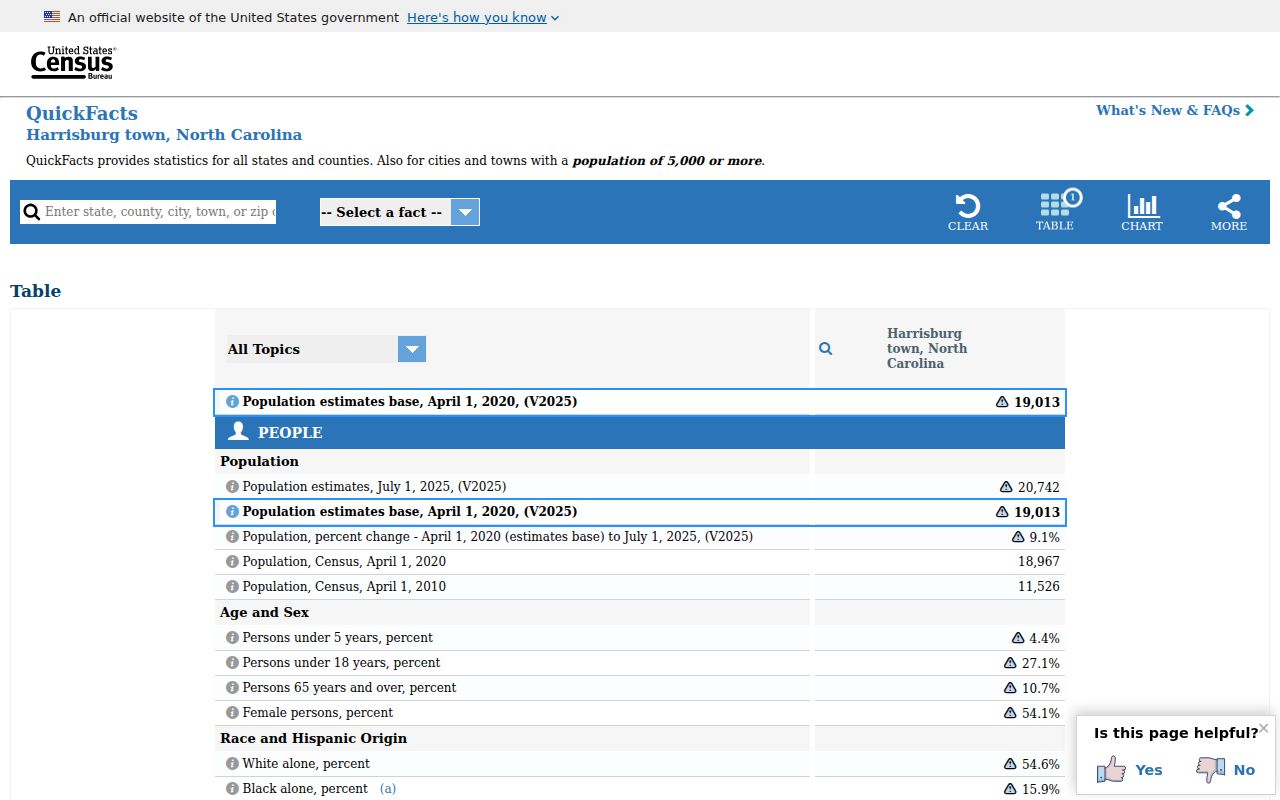
Each city page routes a public lookup back to the applicable state-court and clerk channel.
Cabarrus City Court Routing
A traffic ticket or criminal citation may start with a city police agency. That agency does not keep the court docket. For Concord, Harrisburg, Midland, and Locust matters that belong in Cabarrus County, start with the citation. The statewide Portal is the other starting point. Kannapolis cases need one more check. The county named on the citation decides whether the docket sits in Cabarrus or Rowan.
The Census reference for Locust profiles the city. The case search itself stays county-based.
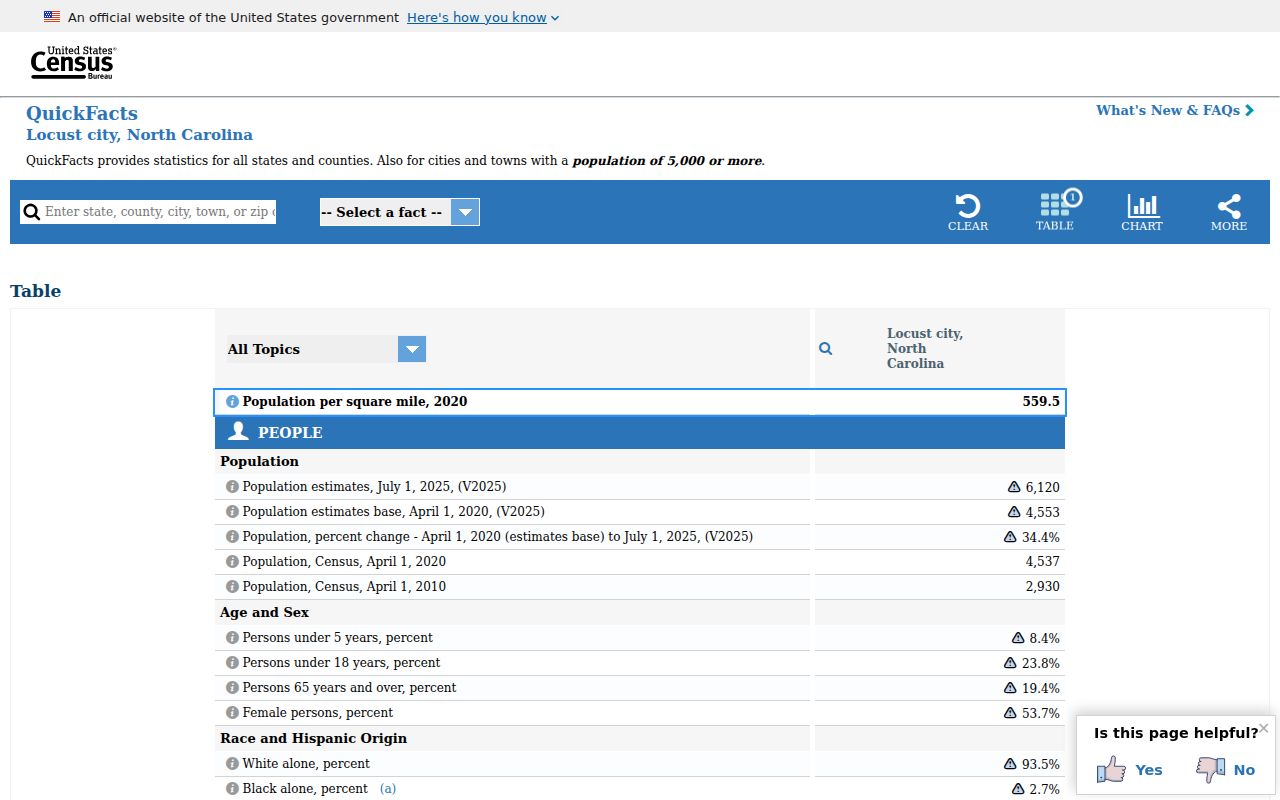
A city name gives context only. The court location and case number are what actually identify the correct docket. Mount Pleasant, the county's sixth incorporated municipality, falls outside this top-five set. It gets no city page. The five cards and the footer draw on the same 2020 Census ranking. Public routing stays focused on those communities.
Map and Directions to the Cabarrus County Courthouse
Superior and District Court files for Cabarrus County are kept by the Clerk of Superior Court at the Cabarrus County Courthouse, 61 Union Street South, in downtown Concord. Magistrate matters and Administrative Traffic Court settings also route through this same clerk system. Some payment and traffic pages separately reference 77 Union Street South, so a same-day traffic or payment visit is worth confirming with the clerk before travel.
Cabarrus County Courthouse
61 Union Street South
Concord, NC 28025
704-262-5500
Monday through Friday, 8:00 a.m. to 5:00 p.m.
Security is provided by the Sheriff, and firearms, ammunition, knives, scissors or sharp metal, mace, and cellphones are prohibited; bags may be searched. A local order effective August 1, 2025 also bars computers, tablets, and cameras without prior authorization, so leaving personal electronics in the car is the safer plan.